


Table of Contents
Why You Must Book the Inca Trail in Advance
Dreaming of hiking to Machu Picchu? You’re not alone, but here’s the problem: thousands of travelers fail to book Inca Trail in advance, and permits sell out months before departure.
That means your once-in-a-lifetime adventure could disappear before you even plan your flights.
The good news? In this guide, you’ll learn exactly how to secure your spot, avoid common mistakes, and confidently plan your Inca Trail experience.
The Inca Trail is one of the most exclusive treks in the world, and access is strictly limited.
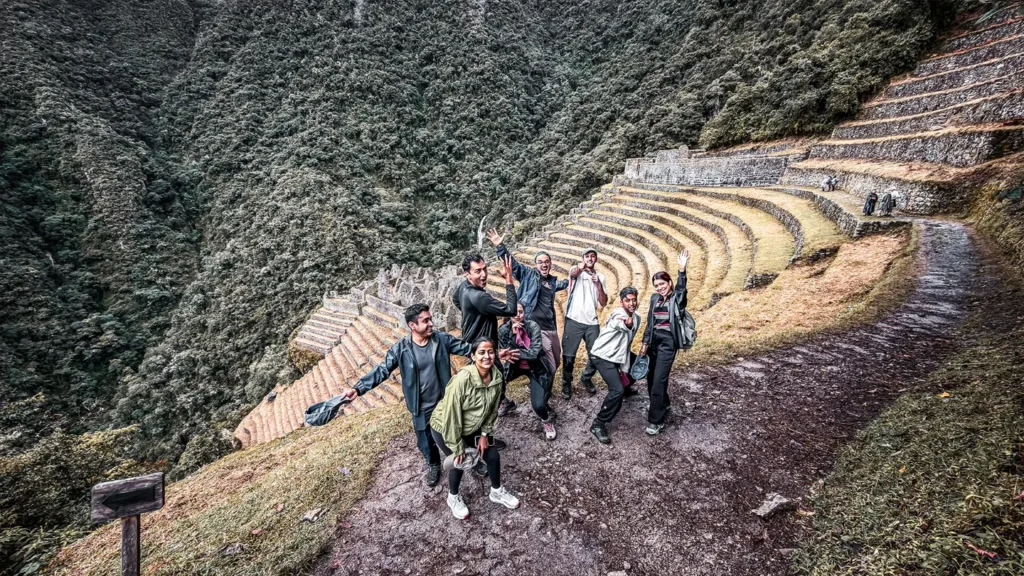
What to Consider Before Booking the Inca Trail in Advance
Planning to hike to Machu Picchu? Before you book the Inca Trail in advance, there are several key factors you need to understand to secure your permit and avoid costly mistakes.
The Inca Trail is one of the most regulated trekking routes in the world, and availability is extremely limited, so timing and planning are everything.
When Are Inca Trail Permits Released? (2026 Booking Guide)
Planning a journey to Machu Picchu via the legendary Inca Trail requires more than just physical preparation, it requires strategic timing.
Typically, the Peruvian government releases permits in October or November of the year preceding your trip. For instance, permits for the 2026 season officially went on sale in late 2025. Because of the trail’s immense popularity and strict daily limits, the most sought-after dates disappear almost instantly.
Current Availability for 2026
If you are planning to trek in 2026, please be advised that demand has been exceptionally high:
- Limited Availability: Dates in July, August, and September are reaching full capacity rapidly.
- Sold Out: All permits are currently exhausted through the last week of June.
How Far in Advance Should You Book the Inca Trail?
Planning a trip to Machu Picchu is a bucket-list dream, but because the Inca Trail is one of the world’s most protected treks, timing is everything. To ensure you secure your spot, we recommend booking 5 to 6 months in advance for the peak season, and 2 to 4 months for the low season.
Understanding the Seasons: When to Hike?
The Andean weather plays a huge role in your experience. Here is a breakdown of what to expect throughout the year:
High Season (May – September)
This is the most popular time to visit due to the stable weather conditions.
- The Vibe: Clear blue skies and breathtaking horizons.
- The Landscape: Because it’s the dry season, the scenery tends to be more dry (pale yellow) rather than lush green.
- Pro Tip: This period sells out the fastest. If you’re eyeing June or July, booking early is non-negotiable.
Low Season (October – April)
The “green season” offers a more tranquil, though wetter, experience.
- The Vibe: Fewer crowds and milder temperatures (it doesn’t get as cold at night as in the dry season).
- The Landscape: Thanks to the rain, the mountains turn a vibrant, lush green. It’s arguably the most photogenic time for nature lovers.
- The Rain Factor: While historically the heaviest rains occurred between December and March, recent climate shifts have seen the most intense rainfall moving into February and April.
To book the Inca Trail in advance, please keep in mind that it is closed every February for annual maintenance and safety, due to the peak of the rainy season..
Types of Inca Trail Treks (Choose the Right One)
Classic Inca Trail (4 Days / 3 Nights)
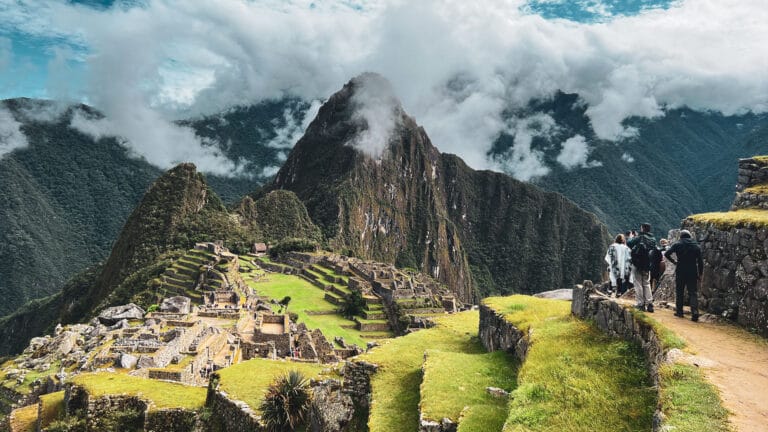
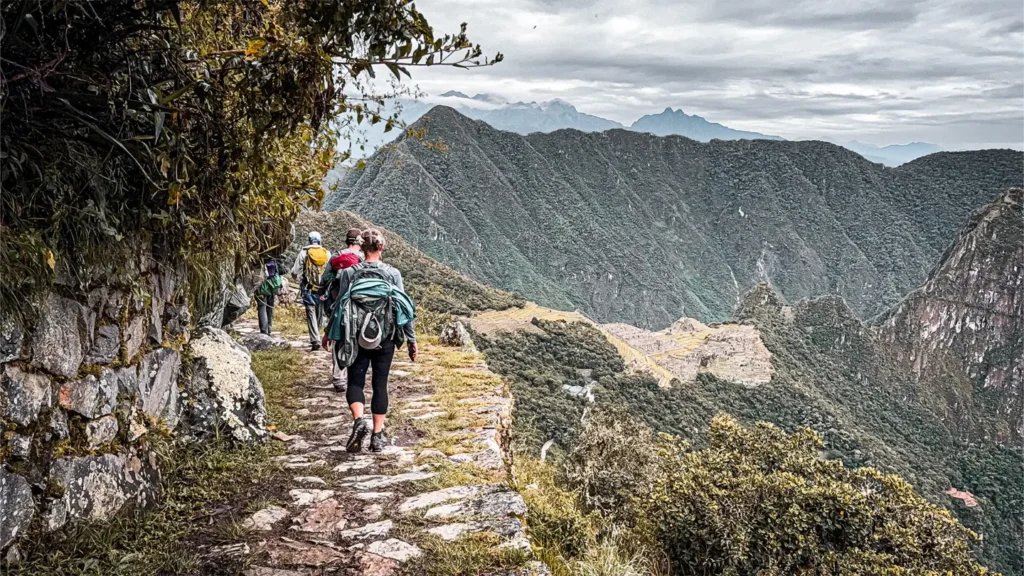
The Classic Inca Trail (4 days / 3 nights) is the most popular and iconic trekking route to Machu Picchu, covering approximately 43 km (26 miles) through breathtaking Andean landscapes.
This once-in-a-lifetime journey begins with your pickup in Cusco and takes you along the original stone-paved paths built by the Incas, ending with your arrival at Machu Picchu through the legendary Sun Gate (Inti Punku).
This 4-day trek offers the perfect combination of adventure, history, and comfort, making it the top choice for travelers seeking an authentic experience, including:
- A professional, licensed guide accompanying you throughout the entire trek
- Fully organized camping logistics managed by experienced tour operators
- Nutritious meals prepared by a dedicated trekking chef
- Support from porters, who carry equipment and set up camps each day
- Comfortable double tents four season
- Entrance tickets to both the Inca Trail and Machu Picchu
- Scenic train return to Cusco on the final day
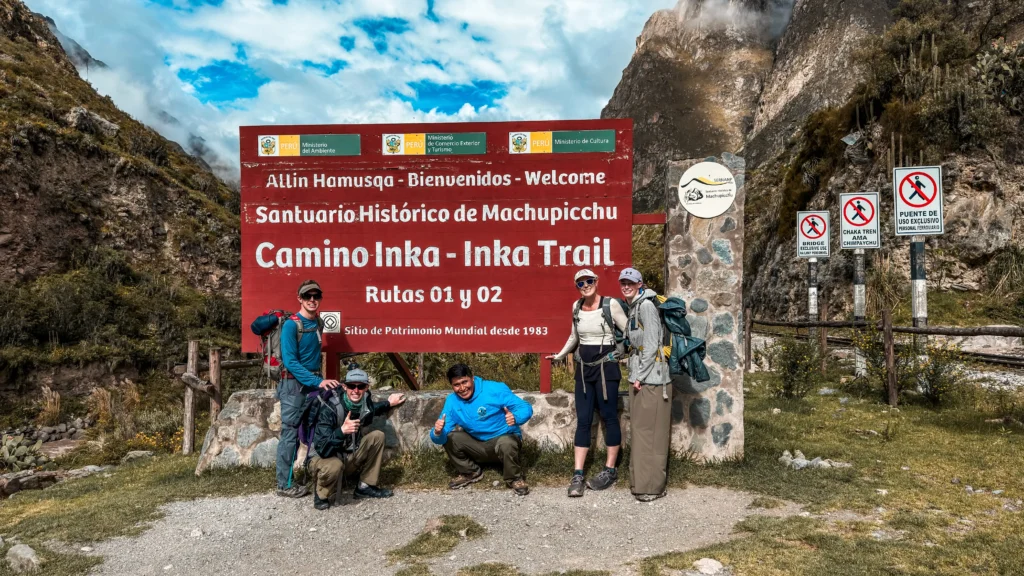
Short Inca Trail (1–2 Days)
The Short Inca Trail (1–2 days) is the perfect option for travelers who want to experience the magic of the Inca Trail but have limited time or prefer a less physically demanding hike.
This route combines history, breathtaking scenery, and a rewarding arrival at Machu Picchu, without the need for multiple days of trekking or camping.
The journey begins with an early departure from Cusco, followed by a scenic train ride to Km 104, the starting point of the hike.
From there, you’ll trek approximately 10–12 km (6–7 miles) along the original Inca Trail, surrounded by lush cloud forests and stunning mountain views.
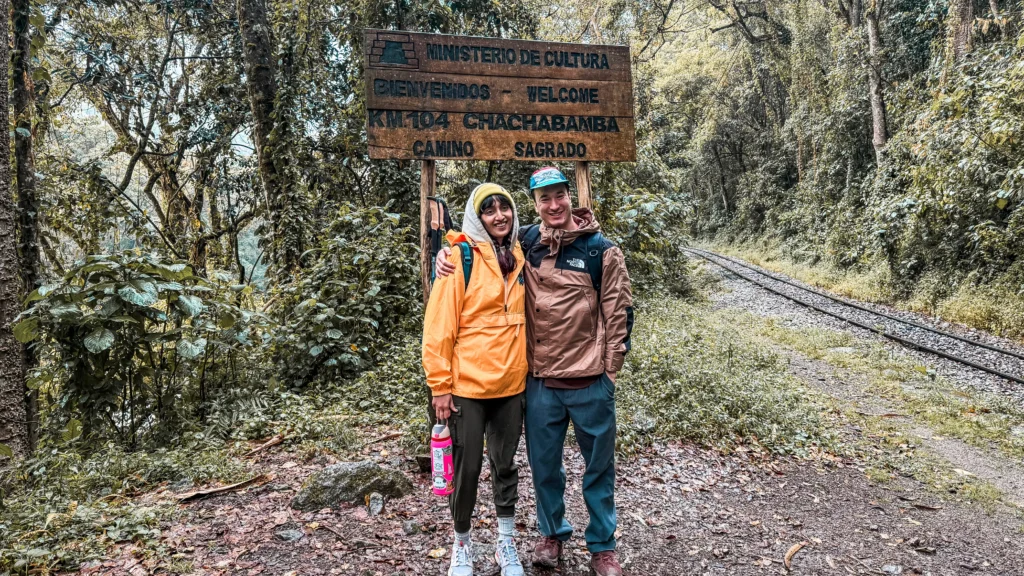
The experience includes:
- Train (round trip)
- A professional licensed guide throughout the hike
- Entry to the Inca Trail and Machu Picchu
- Box lunch provided during the trek
- Overnight in Aguas Calientes (for 2-day option)
How Much Does It Cost to Book the Inca Trail?
The cost of booking the Inca Trail in 2026 has increased compared to previous years, mainly due to higher Machu Picchu entrance fees, Train service, transportation and the rising cost of living in Peru.
However, prices can vary significantly depending on the type of trek and the quality of service provided by the tour operator.
Classic Inca Trail (4 Days / 3 Nights)
- Average cost: $800 – 900 USD per person
Short Inca Trail (2 Days / 1 Night)
- Average cost: $500 – $650 USD per person
What affects pricing:
- Tour operator quality
- Included services (meals, gear, porters, cook and guides)
- Group size
Requirements to Book the Inca Trail
Before securing your Inca Trail permit, it’s essential to meet the official requirements and ensure all your details are correct. Due to strict regulations and limited availability, even small mistakes can affect your booking.
What you need to book the Inca Trail:
- Valid passport
Your passport must be valid and match exactly the information used for the reservation. Any discrepancy can result in denied entry. - Personal information
You’ll need to provide accurate details, including your full name, nationality, and date of birth. - Booking through a licensed Inca Trail tour operator
The Inca Trail can only be reserved through authorized agencies approved by the Peruvian government. - Advance payment (non-refundable and non-transferable)
A deposit or full payment is required to secure your permit.
Note: Once issued, permits cannot be changed, transferred, or refunded under any circumstances.
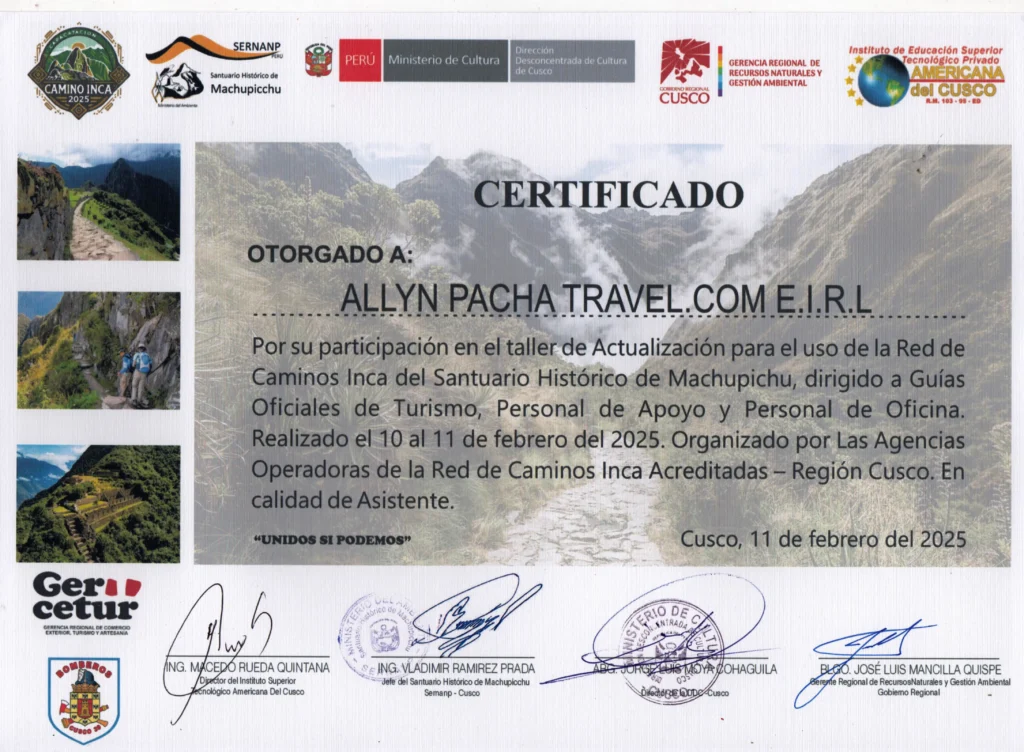
What to Pack for the Inca Trail
Packing the right gear is essential for a safe and comfortable trek to Machu Picchu. Here are the must-have items:
- Passport
- Travel insurance
- Hiking boots
- Layered clothing
- Rain jacket
- Sleeping bag (for Classic Inca Trail)
- Walking sticks
- Headlamp
- Sunscreen
- Insect repellent
- Hand sanitizer
- Reusable water bottle
- Power bank
- Snacks
Common Mistakes to Avoid before booking inca trail
Many travelers underestimate the planning required for the Inca Trail. Avoid these common mistakes to ensure a smooth and enjoyable experience:
- Booking too late – permits sell out months in advance
- Choosing the cheapest or unlicensed operator – this can affect safety, service quality, and staff conditions
- Skipping altitude acclimatization – increases the risk of altitude sickness
- Underestimating the physical challenge – the trek is more demanding than it looks
The Inca Trail includes steep climbs reaching over 4,200 meters (13,800 ft), so proper preparation is essential for a safe and rewarding journey.
Step-by-Step: How to Book the Inca Trail in Advance
- Choose your travel dates
- Select a licensed tour operator
- Submit passport details
- Confirm permit availability
- Complete payment and booking
Once permits are secured, your trek is guaranteed.
FAQ – Book Inca Trail in Advance
How far in advance should I book the Inca Trail?
If you’re planning to book in advance Inca Trail, timing is everything, especially due to limited permits and high global demand.
Recommended booking timeframe:
Classic Inca Trail (4 days): at least 6 months in advance, especially for peak season (May to September)
Short Inca Trail (2 days): around 2 to 3 months in advance
During peak months, permits often sell out quickly. In fact, availability can be gone as early as June for the most popular dates, and spaces continue to fill up daily for the rest of the season.
Is it possible to book last minute?
Booking the Inca Trail at the last minute is sometimes possible, but it’s highly unlikely, especially during peak travel season.
Due to limited permits and high demand, the best strategy is always to book in advance Inca Trail to secure your preferred dates and avoid disappointment.
That said, it’s still worth contacting a licensed tour operator, as they have real-time access to the official Inca Trail reservation system. In rare cases, they may find last-minute availability or suggest alternative options.
Can I hike the Inca Trail without a guide?
No, you cannot hike the Inca Trail independently. Current regulations require all travelers to book in advance Inca Trail permits through licensed tour operators.
These authorized companies are responsible for providing a certified and professional guide, who is officially trained and approved to lead visitors along the Inca Trail and inside Machu Picchu.
What happens if permits are sold out?
If you’re unable to book in advance Inca Trail, there are excellent alternative treks such as the Salkantay Trek or the Lares Trek with homestay experiences, both offering unique landscapes and cultural immersion.
However, it’s important to keep in mind that availability for Machu Picchu entrance tickets and train services is also limited and can sell out quickly.
Is the Inca Trail difficult?
Yes! the Inca Trail is considered a moderate to challenging trek, and it requires a good level of physical fitness.
Over the course of 4 days, hikers face:
– Steep ascents and descents on uneven stone paths.
– Elevation gains of over 1,500 meters
– High-altitude conditions reaching up to 4,200 meters (13,800 ft).
The combination of altitude, terrain, and consecutive hiking days, along with overnight camping, makes this trek physically demanding.