


Table of Contents
Everything You Need to Know Before Hiking the Inca Trail to Machu Picchu
Hiking the Inca Trail to Machu Picchu is one of the most iconic travel experiences in the world. Combining breathtaking Andean landscapes, ancient Inca stone paths, and archaeological sites hidden in the mountains, this route offers far more than a simple trek. However, due to strict government regulations and extremely limited permits, planning ahead is essential, especially for this season Inca Trail 2026.
This guide is designed for international travelers who want clear, reliable information before booking. As a specialized travel agency with local expertise, we explain everything you need to know to secure your permit, choose the right route, and prepare properly for this once-in-a-lifetime journey.
What Is the Inca Trail?
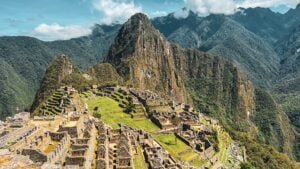
The Inca Trail is part of an extraordinary ancient road system built by the Inca Empire more than 500 years ago to navigate the rugged geography of the Andes. Known as the Qhapaq Ñan, this vast network connected mountains, deep valleys, cloud forests, and diverse ecological zones, playing a crucial role in the political, economic, and cultural organization of the Inca civilization.
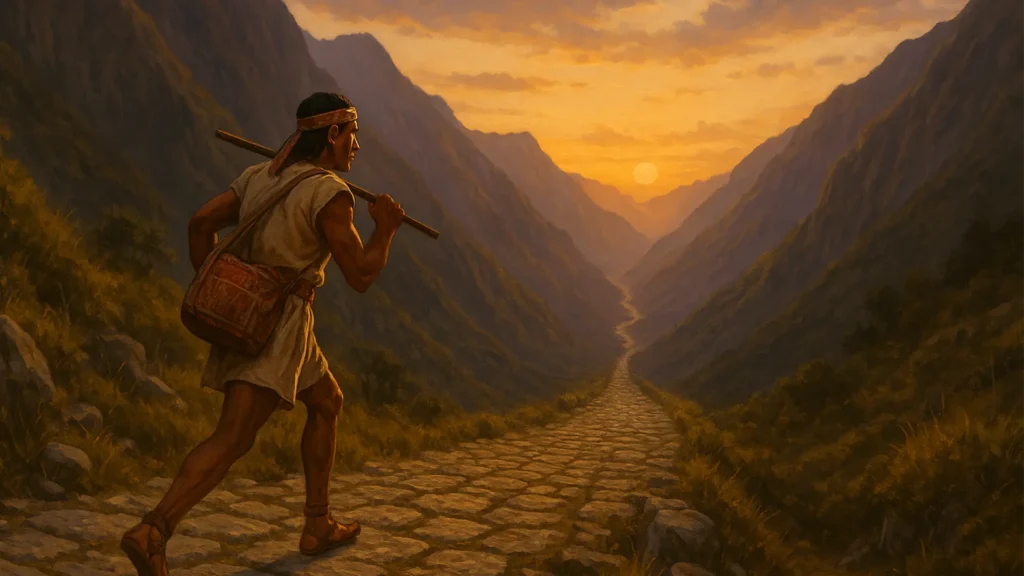
Within the Historic Sanctuary of Machu Picchu, a protected natural area covering more than 37,302 hectares (92,150 acres), approximately 800 kilometers (497 miles) of original Inca trails have been identified. These ancient pathways connect significant archaeological complexes and cross up to 12 diverse ecosystems, including towering Andean mountains, cloud forests, and remote high-altitude landscapes.
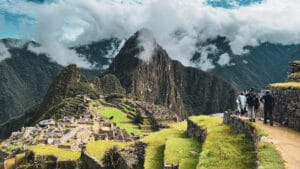
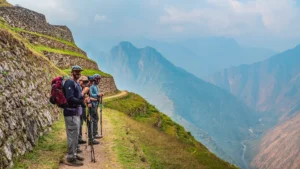
Today, a section of this vast Qhapaq Ñan (Inca Road System) has been restored and opened to travelers who wish to reach Machu Picchu by following in the footsteps of the ancient Incas. Thanks to its extraordinary biodiversity, breathtaking scenery, and rich cultural heritage, the Inca Trail to Machu Picchu is now recognized as one of the world’s most iconic and sought-after trekking destinations.
Official Inca Trail Routes and Access Points
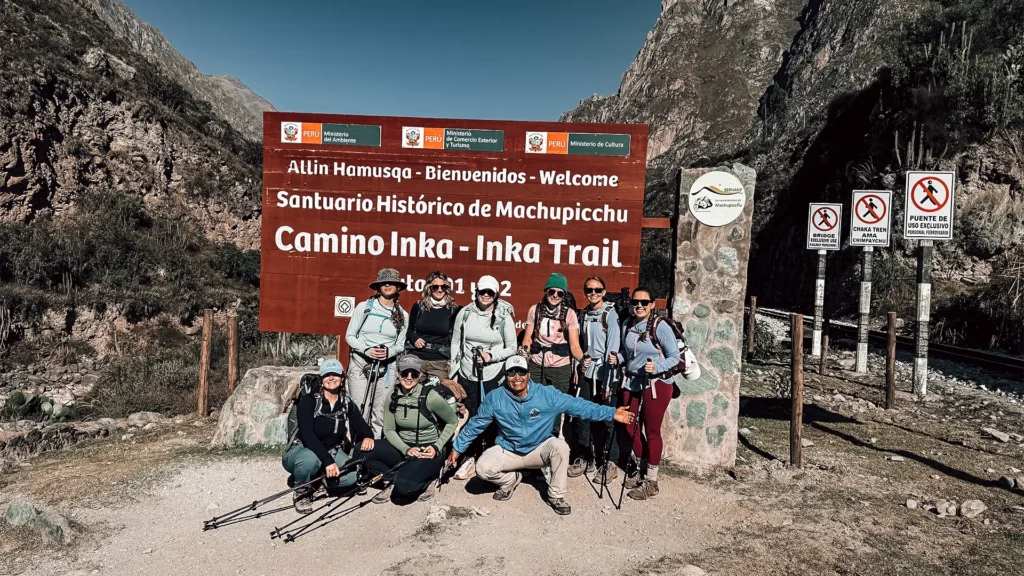
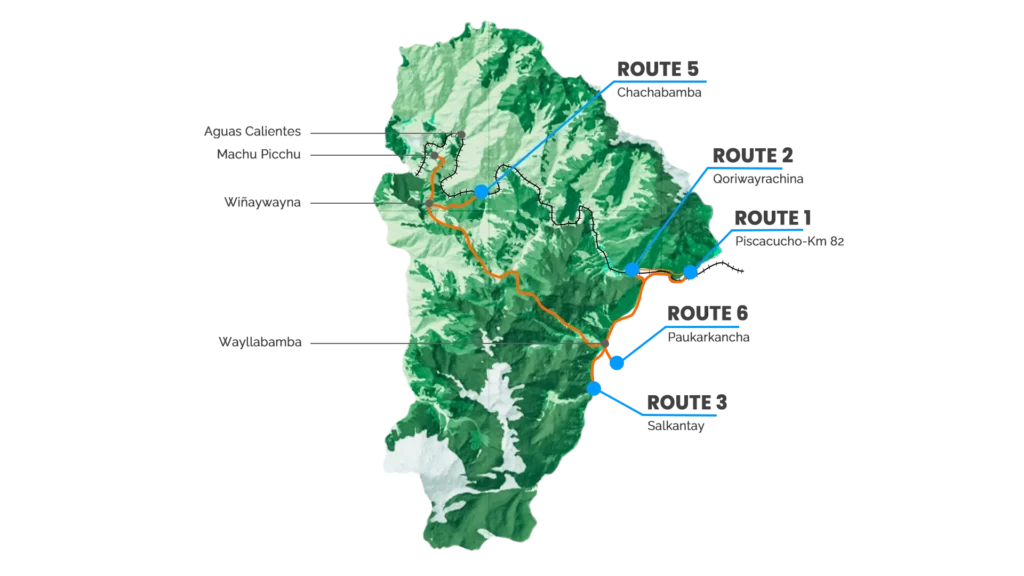
Access to the Inca Trail is strictly regulated and can only be done through six official routes authorized by the Peruvian authorities. Each access point offers a different experience depending on route length, physical difficulty, and surrounding landscapes, each offering a different level of challenge and duration:
Route 1: KM 82 – Classic Inca Trail (4 Days / 3 Nights)
The most famous option, ideal for travelers seeking the full traditional experience, including multiple archaeological sites and the iconic Sun Gate entrance.
Route 2: Extended Classic Inca Trail (5 Days / 4 Nights)
Designed for travelers who want a slower pace and additional exploration along lesser-visited sections of the trail.
Route 3: Inca Trail + Salkantay Combination (6–7 Days)
A demanding route combining high-altitude mountain trekking with Inca Trail segments, recommended for experienced hikers.
Route 4: Piso Valle
It is currently closed and not operating due to frequent landslides, in order to ensure traveler safety.
Route 5: Chachabamba – Short Inca Trail (1–2 Days)
Perfect for travelers with limited time who still want to experience part of the Inca Trail and enter Machu Picchu through the Sun Gate.
Route 6: Ancascocha Trek (4–5 Days)
This route is recognized as one of the quietest and least crowded alternative treks to Machu Picchu, ideal for travelers seeking an authentic and off-the-beaten-path experience. The hike concludes at the official Inca Trail entrance at Km 82 (Route 1) and demands solid physical conditioning due to its challenging terrain and high-altitude sections.
Why You Must Book the Inca Trail in Advance
The Inca Trail operates under a daily permit limit of with only 500 permits available each day, a number that includes not only travelers but also guides, porters, and support staff. In reality, this means only around 200 permits are available for hikers on the Classic Inca Trail.
Given the global popularity of the Inca Trail, securing permits has become more competitive, especially during the high season (April to October). For the Short Inca Trail, there are approximately 250 permits available, with 70% of those allotted to travelers. This limited access has made booking early not just a recommendation, but a necessity, as permits for 2026 are already beginning to fill up.. Booking early allows you to:
- Secure your preferred travel dates
- Choose between Classic, Short, or extended routes
- Access better service options and availability
- Avoid last-minute disappointment
For high season travel for Inca trail 2026, early booking is not optional, it is essential.
Inca Trail Service Options
The 4-day Inca Trail tours are offered in different service categories, allowing travelers to choose the level of comfort and personalization that best fits their travel style. Authorized operators provide carefully designed options ranging from shared group experiences to fully customized journeys, all following official regulations and quality standards.
The Standard Service is ideal for travelers looking for a complete and reliable trekking experience. Groups are limited to a maximum of 16 hikers and include essential services such as camping equipment, meals during the trek, and porter support. This option balances affordability with comfort, making it a popular choice for those seeking an authentic Inca Trail adventure.
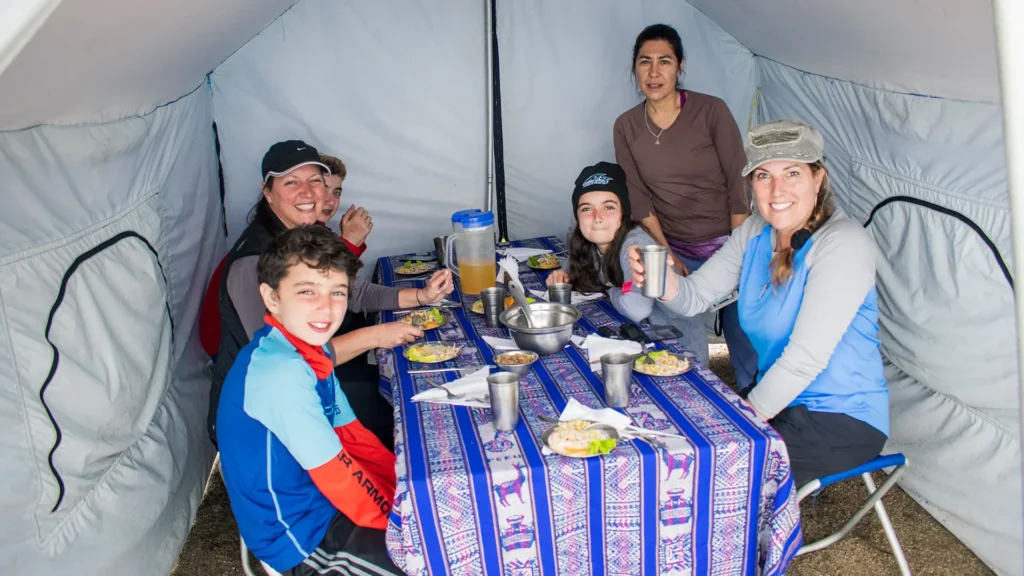
The Premium Service offers enhanced comfort with smaller groups of up to 8 travelers. This option includes upgraded camping equipment, improved meals, special dietary options, and more personalized assistance from the support team. It is well suited for travelers who want extra comfort without reaching luxury-level pricing.
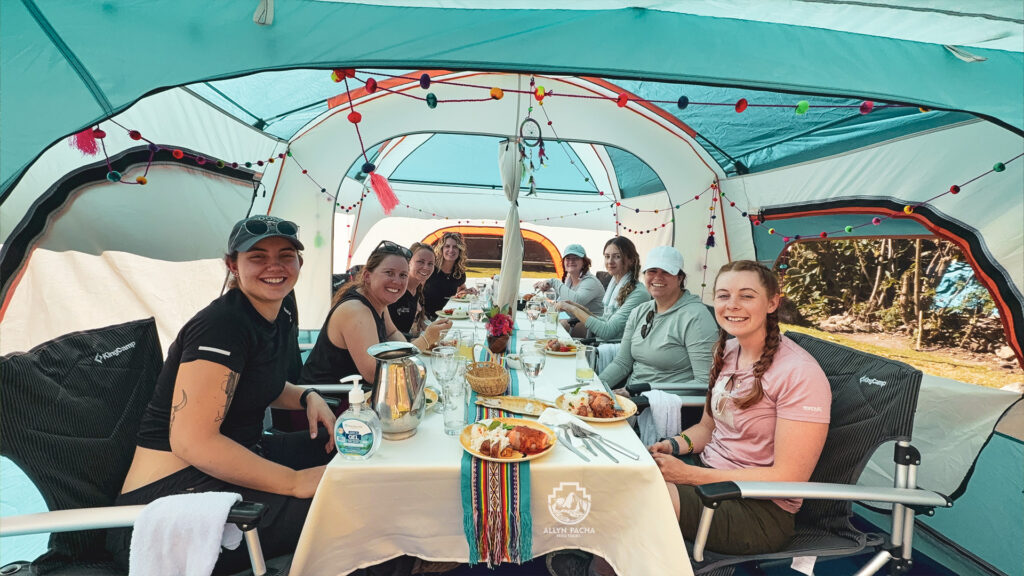
The Luxury Service is designed for travelers seeking a high-end trekking experience. It features spacious and comfortable tents, private service, refined cuisine, and upgraded transportation options, such as luxury-class trains. This option delivers maximum comfort, exclusivity, and attention to detail throughout the journey.
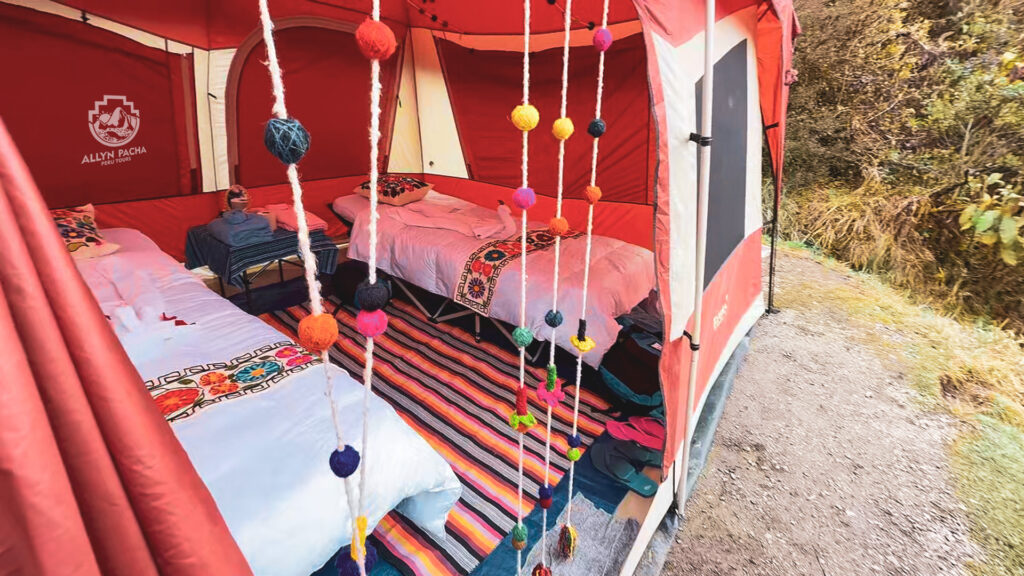
These three tour categories allow travelers to tailor their Inca Trail experience according to their preferences, ensuring that both first-time hikers and experienced trekkers find a service level that matches their expectations.
Best Time to Hike the Inca Trail
The dry season (April to October) is the most popular period due to stable weather, clearer views, and safer trail conditions. The months from May to September are considered peak season, with the highest demand for permits.
The rainy season (November to March) brings more frequent showers but also greener landscapes and fewer crowds.
February is closed, as the trail undergoes annual maintenance to protect its original stone paths.
How to Book the Inca Trail Step by Step
1. Choose an authorized tour operator
To hike the Inca Trail 2026, you must book with an agency officially authorized by the Peruvian Ministry of Culture and SERNANP. Only licensed operators can legally manage permits and access the official reservation system, ensuring a safe and reliable experience.
2. Check permit availability
Due to high demand, permits should be checked 5 to 6 months in advance. During peak season (May to September), it is recommended to book even earlier, as spaces sell out quickly. Only authorized agencies can verify real-time availability.
3. Submit your passport details
Once a date is available, you must provide your passport information exactly as shown on the document. This data is required to issue the official Inca Trail 2026 permit and cannot be changed once confirmed.
4. Make the payment
Most agencies accept secure payment methods such as Visa and MasterCard. A partial deposit (often up to 50%) is usually required to confirm the permit. Always review the agency’s terms, as permits are generally non-refundable and non-transferable.
5. Attend the pre-trek briefing
One day before the hike, travelers attend a short briefing where the guide explains the itinerary, daily logistics, campsites, and safety recommendations. This meeting ensures everyone is well prepared before starting the trek.
Inca Trail 2026 Prices and Student Discounts
Travelers with student status may qualify for a special discounted price on the Inca Trail. This reduced rate applies to young travelers under 17 years old as well as students between 18 and 25 years of age who hold a valid student ID. The discount is available thanks to a pricing benefit granted by the Peruvian government on official Inca Trail permits.
To access the student price, travelers must meet specific requirements established by the authorities:
1. Student Age Requirements
To be eligible, you must be under 25 years old at the time of the hike.
- Travelers under 17 years old only need to present a valid passport.
- Students aged 18 to 25 must provide a current university student ID.
2. Student ID Requirements
The student card must be made of rigid plastic, similar to a credit card, with all information printed directly on the card. IDs with stickers, laminated additions, handwritten details, or external inserts are not accepted. Likewise, letters or certificates issued by universities are not considered valid for the Inca Trail student discount.
Meeting these requirements is essential, as student eligibility is verified before entering the trail. Travelers who cannot present the correct documentation will be required to pay the regular adult price.
Which Inca Trail Should You Choose: Classic or Short?
Choosing between the Classic Inca Trail and the Short Inca Trail depends mainly on your available time, fitness level, budget, and the type of experience you want.
The 4-day Classic Inca Trail is ideal for travelers looking for a full adventure, with original Inca paths, mountain passes, archaeological sites, and a ceremonial arrival at Machu Picchu through the Sun Gate.
The Short Inca Trail is better suited for those with limited time or who prefer a less demanding hike. It offers a shorter walk while still preserving the essence of the Inca Trail experience.
In short, choose the Classic route for a deeper, more challenging journey, or the Short route for a more accessible way to reach Machu Picchu.
Physical Preparation and Difficulty Level
The fitness level required for the Inca Trail depends on the route you choose. The Classic Inca Trail (4 days) and extended versions are considered challenging, especially during the first days, with steep ascents and high altitude, including the climb to Warmiwañusca Pass. Good physical condition and prior acclimatization are strongly recommended.
The Short Inca Trail is more accessible and does not require advanced training, although a basic level of fitness is advised to walk comfortably for several hours.
We strongly recommend:
- Spending time acclimatizing in Cusco
- Maintaining good cardiovascular fitness
- Choosing extended routes only if you have prior trekking experience
What Is Usually Included in an Inca Trail Tour
Most Inca Trail tour packages include transportation by bus and train, daily meals during the trek, a certified professional guide, porters and cooks, camping equipment, and the entrance ticket to Machu Picchu. Optional services such as upgraded tents, trekking poles, or extra porters are available at an additional cost.
Frequently Asked Questions (FAQ) – Inca Trail 2026
How far in advance should I book the Inca Trail?
The Classic Inca Trail should be booked 5–6 months in advance, and up to 9 months ahead during high season. The Short Inca Trail usually requires less advance booking.
Can I cancel or change my Inca Trail reservation?
Cancellation or date changes depend on the tour operator’s policies. However, Inca Trail permits are non-transferable, dates cannot be changed, and passport details cannot be modified once issued. A new date requires a new reservation, subject to availability.
What fitness level is required for the Inca Trail?
The Classic and extended Inca Trail routes are considered moderate, with challenging sections at high altitude, especially near Warmiwañusca Pass. Basic training and acclimatization are recommended.
The Short Inca Trail is easier and suitable for travelers with a basic fitness level.
What should I pack for the Inca Trail Classic?
Authorized tours provide essential camping equipment and meals. Travelers should bring a daypack with water, layered clothing, rain gear, sunscreen, a flashlight, personal items, and extra cash. Sleeping bags and trekking poles can usually be rented.
Which months is the Inca Trail open?
The Inca Trail is open most of the year, except February, when it closes for annual maintenance and conservation work.
Can I hike the Inca Trail independently?
No. Hiking the Inca Trail without a guide is not allowed. Access is strictly regulated, and travelers must join an authorized tour operator to protect the Historic Sanctuary of Machu Picchu.
Why is the Inca Trail expensive?
The cost reflects the full-service logistics, including permits, Machu Picchu entry, meals, transport, guides, porters, and cooks. Prices vary depending on service level, equipment quality, and staff experience.
How much does the Inca Trail in 2026 cost ?
The Classic Inca Trail 2026 typically ranges between USD 790–950, while the Short Inca Trail usually costs USD 500–550. Prices depend on service category, season, and agency standards.
What is included in the Short Inca Trail 2026?
The 2-day Short Inca Trail generally includes official trail permits, Machu Picchu entry, round-trip train tickets, ground transport, meals, and a licensed guide.
Who qualifies for the student discount on the Inca Trail 2026?
Travelers under 25 years old may qualify.
Is the ISIC card accepted for student discounts for Inca Trail 2026?
No. ISIC cards are not accepted for Inca Trail permits. Only an official university student ID is valid.